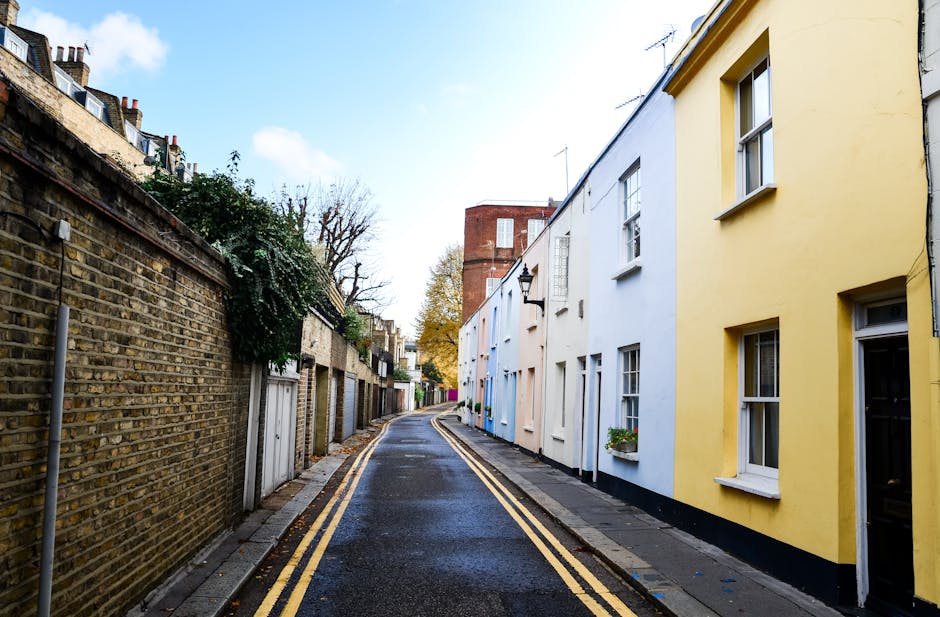
Chalk Farm Road furniture removals tips for narrow streets: a practical guide for smoother, safer moves
Moving furniture along Chalk Farm Road can look simple on a map and then suddenly feel tight, awkward, and much more complicated in real life. If you are dealing with narrow streets, parked cars, busy traffic, stairwells, or a van that needs to stop exactly where you do not want it to, good planning makes all the difference. This guide to Chalk Farm Road furniture removals tips for narrow streets is built for exactly that kind of move: practical, local, and focused on avoiding the usual headaches.
Whether you are moving a sofa, a dining table, office furniture, or a full household load, the challenge is rarely the lifting alone. It is access. It is timing. It is keeping things organised when a delivery van, a cyclist, and a resident's car all seem to appear at once. Let's face it, narrow London roads do not forgive guesswork. The good news is that a careful approach can make the day calm rather than chaotic.
In the sections below, you will find step-by-step advice, expert moving tips, a comparison table, common mistakes to avoid, and a realistic checklist you can use before the first box is carried out. You will also see a few helpful internal links to related pages on our site, including removal services, man and van, and pricing and quotes where they naturally fit the journey.
Table of Contents
- Why Chalk Farm Road furniture removals tips for narrow streets Matters
- How Chalk Farm Road furniture removals tips for narrow streets Works
- Key Benefits and Practical Advantages
- Who This Is For and When It Makes Sense
- Step-by-Step Guidance
- Expert Tips for Better Results
- Common Mistakes to Avoid
- Tools, Resources and Recommendations
- Law, Compliance, Standards, or Best Practice
- Options, Methods, or Comparison Table
- Case Study or Real-World Example
- Practical Checklist
- Conclusion
- Frequently Asked Questions
Why Chalk Farm Road furniture removals tips for narrow streets Matters
Narrow streets change the whole shape of a furniture move. On wider roads, you have room to pause, assess, and adjust. On Chalk Farm Road and the side streets around it, there is often far less margin for error. One badly placed vehicle can block access. One awkward corner can slow a carry route. One last-minute decision to use the wrong-size van can turn a straightforward job into a long afternoon.
That matters because furniture is not just bulky; it is vulnerable. Scratches happen when you rush. Corners get knocked when you try to pivot too fast. Back strain creeps in when you carry too far because the van could not get close enough. Truth be told, many moving problems are access problems wearing a different hat.
These tips matter even more if you are moving at a busy time of day. You may be balancing school traffic, commuter movement, residents coming and going, and the general London rhythm that seems to speed up exactly when you need space. A good plan protects the furniture, the property, the team, and your nerves. And yes, your neighbours too.
For many people, the real value is not just saving time. It is avoiding the kind of move that leaves everyone frustrated before the kettle is even unpacked. If you are comparing support options, it may help to look at house removals or movers so you can match the scale of help to the access challenge.
How Chalk Farm Road furniture removals tips for narrow streets Works
The basic idea is simple: reduce uncertainty before moving day. Narrow-street removals work best when you break the job into access, protection, routing, and timing. That means measuring furniture, checking road access, deciding where the vehicle can stop, and preparing the route from property to van before anyone starts lifting.
In practice, the process usually looks like this:
- Assess the furniture pieces and identify anything oversized, fragile, or awkward to turn.
- Check the access at both ends, including doors, stairs, hallways, lifts, and street width.
- Choose a vehicle size that can actually fit the route without creating unnecessary risk.
- Prepare protective materials so items can be carried safely through tight spaces.
- Plan the loading order in advance, so the heaviest or most delicate items are not dealt with last in a rush.
On a road with limited space, communication is a big part of how it works. Someone needs to guide the carry. Someone needs to watch the vehicle. Someone needs to stay aware of pedestrians, cars, and any temporary obstruction. It sounds obvious, but when people are tired and in a hurry, obvious things get forgotten. That is usually where the trouble starts.
If you are using a professional team, a service like man with a van or moving van can be a good fit where access is tight and a full-size lorry would be overkill. The right vehicle is often half the battle.
Key Benefits and Practical Advantages
Good narrow-street planning gives you more than convenience. It gives you control. When the route is tight, small improvements add up quickly.
- Less risk of damage: tighter routes mean more contact points, so padding and planning really matter.
- Faster loading and unloading: a van positioned well can cut carrying distance dramatically.
- Better safety: fewer rushed lifts and fewer awkward turns reduce strain and accidents.
- Less disruption to neighbours and traffic: efficient stops reduce obstruction and keep the move civilised.
- Lower stress: everyone works better when the plan is clear from the start.
There is also a commercial benefit if you are moving business equipment or stock. A tight street move that is organised properly can prevent delays to opening hours, deliveries, or client visits. That is why some businesses prefer a planned commercial moves approach rather than trying to squeeze a standard move into a restricted street.
One of the less obvious advantages is speed of decision-making. When you already know where the van will stop, which item comes out first, and who is guiding the carry, you stop wasting mental energy on the day. That, honestly, is worth a lot.
Who This Is For and When It Makes Sense
This advice is for anyone moving furniture in or around Chalk Farm Road where street access is limited. That includes flat moves, student moves, small house moves, office relocations, and one-off furniture collections. It is especially useful if you are dealing with a building that has a shared entrance, a narrow staircase, or restricted loading space outside.
You will find it helpful if you are:
- moving out of a flat with no lift or a small lift
- collecting furniture from a shop, warehouse, or private seller
- moving a sofa, wardrobe, bed frame, or large table
- trying to complete the move in a limited time window
- working around parking pressure or local access restrictions
It also makes sense if you are trying to decide whether to hire a full removals team or just book a smaller vehicle. For many narrow streets, a flexible option like man and van removals can be a practical middle ground, especially if you are not shifting a whole house. If you need packing support as well, the page on packing and unpacking services may also help you work out what to outsource and what to handle yourself.
Sometimes the move looks small on paper but behaves like a bigger job in reality. A three-seater sofa and a large wardrobe can be more awkward than ten medium boxes. Strange, but true.
Step-by-Step Guidance
If you want a move that feels organised instead of improvised, follow this order. It is not glamorous, but it works.
1. Measure first, carry later
Measure the widest pieces of furniture and compare them with the doorways, stair turns, and any tight hall corners. Do not rely on memory. People often think an item "definitely fits" until it is halfway through a doorway and everyone goes quiet.
Write down the most important measurements and keep them on your phone. If a sofa comes apart, note that too. The little details matter.
2. Check the street and stopping point
Look at where the van can pause without blocking traffic or causing a problem for residents. On narrow roads, the best stop is usually the one that gives you the shortest carry while still being sensible and safe. Sometimes that means a few extra steps. Better that than a risky double-parked scramble.
3. Decide on the right vehicle size
In tight London streets, bigger is not always better. A smaller, more agile vehicle can save time if it can get closer to the property. A larger truck may hold more, but if it cannot access the road properly, it becomes a burden. If you are unsure, compare options such as removal van and moving truck carefully before booking.
4. Protect the furniture before you move it
Use blankets, corner protectors, shrink wrap, and straps where needed. If a piece has glass, polished wood, or exposed edges, wrap it properly. Narrow spaces create more chances for chips and scuffs, so protection is not optional. It is the boring bit that saves the day.
5. Clear the route inside the property
Move lamps, rugs, shoe racks, and anything else that could catch a toe or snag a trolley. Open doors fully if possible. Put down temporary floor protection if the route is long or if the weather is muddy and people are coming in with wet footwear. A clean path means fewer mistakes.
6. Load in the right order
Put the heaviest and most stable items in first, then build around them with lighter furniture and boxed items. Keep the items you will need first at the easiest-to-reach point. That may sound like basic removals sense, but under pressure people often load in the exact wrong order. Happens more than you think.
7. Leave a little buffer time
Urban moves rarely run perfectly to the minute. A parked vehicle may block the preferred stopping point. A neighbour may need access. The lift may be busy. Build in a margin so the day does not go sideways just because one thing took ten minutes longer than planned.
Expert Tips for Better Results
Here are the small, practical things that usually make the biggest difference on narrow streets.
- Use a spotter: one person should watch corners, bollards, wing mirrors, and passing pedestrians while the furniture is moved.
- Disassemble where sensible: removing legs, shelves, or headboards can turn an awkward piece into an easy one.
- Keep tools with you: Allen keys, screwdrivers, tape, and spare bags for fixings save repeated trips.
- Label the hardware: put screws and fittings in a marked bag taped to the item they belong to.
- Move early if possible: quieter times can make access much easier, especially if your route has regular traffic pressure.
One of the best tips, honestly, is to think like the van. Ask yourself: where does the vehicle stop, where do the feet walk, where does the sofa turn, and where is the point of least friction? If you answer those questions before moving day, the actual lifting becomes much simpler.
If you are comparing help for your move, it can also be useful to review the main removals page or the more flexible removals near me option to see which style of support suits your situation.
Common Mistakes to Avoid
Most moving problems in narrow streets are predictable. That is the frustrating bit. The same errors keep turning up.
- Booking the wrong vehicle size: too large can mean wasted time; too small can mean multiple runs.
- Not measuring bulky items: the wardrobe that "looked fine" can suddenly become the day's main obstacle.
- Forgetting parking realities: a road may look accessible until the day arrives and the space is gone.
- Skipping protection: one sharp corner can damage both the furniture and the walls.
- Trying to rush the carry: speed without coordination usually creates more delay, not less.
- Ignoring the final destination: a tight street at the new property can be just as tricky as the one you left.
Another common issue is assuming that more people automatically makes the move easier. Sometimes it does. Sometimes it just means more bodies in a narrow hallway and more chances to bump into each other. Quality of coordination beats headcount.
If you want a move to feel less reactive, good planning is everything. Not perfect. Just good enough to avoid the obvious traps.
Tools, Resources and Recommendations
You do not need specialist equipment for every move, but the right basics make a huge difference.
| Tool or item | Why it helps | Best use on narrow streets |
|---|---|---|
| Furniture blankets | Protect against scratches and minor impacts | Essential for tight doorways and stairwells |
| Straps and trolleys | Improve handling and reduce manual strain | Useful when the carry route is short but awkward |
| Corner guards | Shield walls, banisters, and furniture edges | Very helpful in older properties with tight turns |
| Tools for disassembly | Allow larger items to be broken down safely | Especially useful for beds, tables, and shelving |
| Labels and marker pens | Keep fixings and item groups organised | Saves time at both loading and reassembly stages |
In terms of service choice, a smaller vehicle is often the most practical resource for this kind of street. A lot depends on what you are moving, but if access is your main concern, a removal van or man with a van setup can be far more usable than a larger lorry that struggles to stop nearby.
You may also want to review the company's insurance and safety information before booking. That is just sensible, really. It tells you how the move is handled and what standards you should expect.
Law, Compliance, Standards, or Best Practice
For furniture removals on narrow streets, the main thing is to follow sensible moving practice and respect local conditions. In London, access issues are often shaped by parking pressure, road layout, and resident access rather than one single rule. Because of that, it is wise to plan conservatively and avoid assumptions.
Best practice usually means:
- not blocking traffic or pedestrian routes for longer than necessary
- keeping lifting methods safe and controlled
- using appropriate manual handling techniques
- checking vehicle access before the day of the move
- protecting property and public spaces from damage where practical
If you are hiring help, ask about safety procedures, loading methods, and whether the team is insured for the type of work being carried out. That is not being awkward. It is being careful. A reputable mover should be comfortable discussing the practical side of the job and their health and safety policy in plain English.
For business customers, extra care around equipment handling, access routes, and timing can matter just as much as the move itself. If the relocation affects trading hours or staff access, a planned office removals or office relocation services approach may be more appropriate than a casual one-off booking.
Options, Methods, or Comparison Table
Different move types suit different levels of access. Here is a straightforward comparison.
| Method | Best for | Strengths | Limitations |
|---|---|---|---|
| DIY move with a hired van | Small loads, confident movers, short routes | Flexible, cost-conscious, direct control | Requires planning, physical effort, and confidence in tight spaces |
| Man and van | Single items, partial loads, limited access | Agile vehicle, practical for narrow streets | May not suit large or very heavy household moves alone |
| Full removals team | Whole-home moves, fragile furniture, higher volume | More support, faster handling, better coordination | Can be more than you need for a small access-restricted job |
| Specialist packing support | Fragile, valuable, or time-sensitive items | Less damage risk, less stress, cleaner organisation | Additional cost, though often worth it for difficult items |
If you are not sure which option fits, start with the load itself. Is it a couple of large items, or a full room's worth? Is the access straightforward, or does every turn look a bit nasty? That answer usually points you toward the right service level, whether that is man with van removal or a broader removal company solution.
Case Study or Real-World Example
Here is a simple real-world style scenario. A couple in a flat near Chalk Farm Road needed to move a sofa, a bed frame, a dining table, and several boxes. The street outside had limited stopping space and the building entrance sat just around a tight corner. On paper, it looked manageable. In person, it was a bit more awkward than expected.
Instead of bringing in a large vehicle, the move was planned around a smaller van that could stop closer to the entrance. The bed frame was disassembled in advance, the sofa was wrapped before it left the property, and the carry route was cleared of loose items. One person handled the door and corridor guidance while another watched the van position. Not exactly glamorous, but it worked.
The main difference was that the team had already decided what to do if the stopping point was taken. They did not improvise under pressure. That made the move feel steady, even though the street itself was busy and the turn into the property was tight. By late morning, the heavy items were out and the remaining boxes were loaded without drama. A small win, but a real one.
That is the pattern with narrow-street furniture removals. The better the plan, the less the day feels like a gamble.
Practical Checklist
Use this checklist the day before and again on the morning of the move.
- Measure the largest furniture pieces.
- Check doorways, stair turns, and lift size.
- Confirm where the van can stop.
- Choose the smallest practical vehicle for the route.
- Pack blankets, straps, tape, and tools together.
- Label screws, fittings, and detachable parts.
- Clear the path inside both properties.
- Protect floors, walls, and corners where needed.
- Agree the loading order before anything comes out.
- Keep drinks, keys, documents, and essentials separate.
- Build in time for delays. Just a bit.
- Have a contact number ready for the driver or moving team.
Expert summary: on narrow streets, successful furniture removals are rarely about brute strength. They are about the right vehicle, a short and safe carry route, good protection, and a calm sequence of decisions.
Conclusion
Chalk Farm Road furniture removals tips for narrow streets come down to one simple principle: make access easier before the heavy lifting begins. Measure honestly, choose the right vehicle, protect every item, and plan the route from the property to the van with care. If you do those things, the move becomes much more manageable, even when the road is tight and the day feels busy.
That approach saves time, protects your furniture, and makes the whole process feel a lot less fraught. It also gives you room to handle the little surprises that London streets love to throw at people. Because there will be one or two, usually. The trick is not pretending they will not happen.
If you are comparing support options, reviewing service details, or trying to work out the most practical way to move on a restricted street, you can also look at furniture pick up, removals van, and the company's about us page to get a better sense of the service style before you decide.
Get a free quote today and see how much you can save.
And if you take one thing away from this guide, let it be this: a narrow street is not a problem on its own. It just asks for a better plan. Once you have that, the day gets noticeably lighter.
Frequently Asked Questions
What is the best vehicle size for furniture removals on narrow streets?
The best vehicle is usually the smallest one that can still carry the load safely in one or two runs. On narrow streets, a smaller van often works better than a large truck because it can stop closer to the property and reduce carrying distance.
How do I know if my sofa will fit through a narrow hallway?
Measure the sofa at its widest point and compare that with the tightest doorway, turn, or corridor section. If the measurements look close, assume it will be awkward and plan for disassembly or an angled carry. A quick check beforehand saves a lot of stress later.
Should I book a man and van or a full removals team?
It depends on the size of the load and how difficult the access is. For a few large items or a partial move on a tight street, a man and van setup can be ideal. For a full house move, a larger removals team may be more efficient and better organised.
How far in advance should I plan a move on Chalk Farm Road?
As early as you can, ideally once you know your moving date. At minimum, confirm measurements, vehicle size, and access details before the day. Narrow streets leave less room for last-minute changes, so early planning really helps.
What should I do if the street is blocked on moving day?
Have a backup stopping point in mind before the move begins. If possible, keep the driver updated and agree a fallback plan for the walk-in route. A few extra metres of carry is better than waiting around with the furniture half ready and nobody sure what to do next.
Can furniture be moved safely in bad weather?
Yes, but it needs extra care. Rain, wind, and damp pavements increase slip risk and make items harder to protect. Use blankets, floor protection, and sensible loading practices, and try to keep the carry route as short as possible.
Do I need to dismantle furniture before the move?
Not always, but it is often worth it for bulky items like beds, tables, and some wardrobes. If disassembly makes the item easier to turn through tight spaces, it is usually the smarter choice. Keep all fixings clearly labelled so reassembly is painless.
How can I protect walls and banisters in a narrow stairwell?
Use corner protection, furniture blankets, and slow, coordinated carrying. One person should guide the item while others support and watch the edges. Rushing in tight spaces is where damage tends to happen, so the pace matters.
Are there safety rules I should think about for heavy lifting?
The key point is to lift safely, use the right equipment, and avoid awkward solo carries when an item is too heavy or unbalanced. If something feels too large for one person, it probably is. It is better to ask for help than to take a risky shortcut.
Can I get a quote for a narrow-street furniture move without a site visit?
In many cases, yes, if you can provide clear measurements, photos, access details, and the number of items. The more accurate your information, the better the quote will be. If the access looks especially tight, it is wise to be very specific.
What is the biggest mistake people make on narrow London streets?
The biggest mistake is underestimating access. People often focus on the furniture and forget the road, the parking, the staircase, and the loading point. Once those are considered properly, the whole move becomes much easier to manage.
Is it worth using packing services for a small furniture move?
If you have fragile pieces, limited time, or no appetite for wrapping everything yourself, packing help can be worth it even for a smaller move. It depends on how much stress you want to remove from the day. Sometimes paying for convenience is the very sensible choice.